
The Weekend and the NETTLES
More than a weekend of leisure, inspiration, good company and contact with Nature, we learn a great deal on these weekends we organise!
More than a weekend of leisure, inspiration, good company and contact with Nature, we learn a great deal on these weekends we organise!
On the last one, dedicated to Aromatic and Medicinal Plants, we were joined by Fernanda, Luisa, Ilda, Rui, Alexandra, Joelle and Leonor! Together we went to the Orada Edible Herbs Fair, went on rambles, identified plants, tasted Alentejo soups, watched cooking and dancing!!
:)
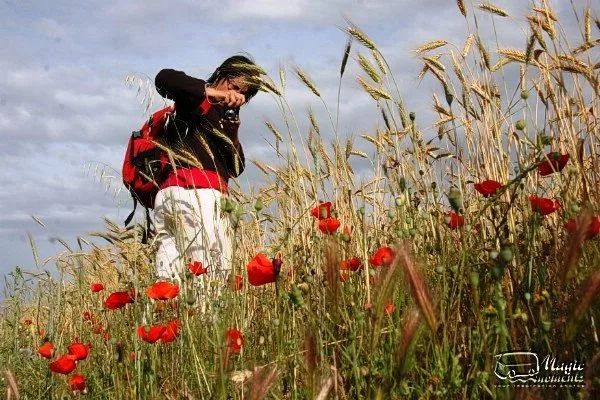
BACK TO THE PAST, PRESENT AND FUTURE!
In other times, and in most civilisations, it was the elders who governed and guided the future of the civilisation!
Why?
- The experience they had gained
- The serenity they had lived
- The sense of how fleeting life is, and of passing on a Lifetime's teachings to the next generations
What really matters?
The Echo of the Earth – Listening to the knowledge of the Earth. Respecting and enjoying Nature!
That was our Plants weekend, extremely rich in modern and ancient knowledge and sharing.
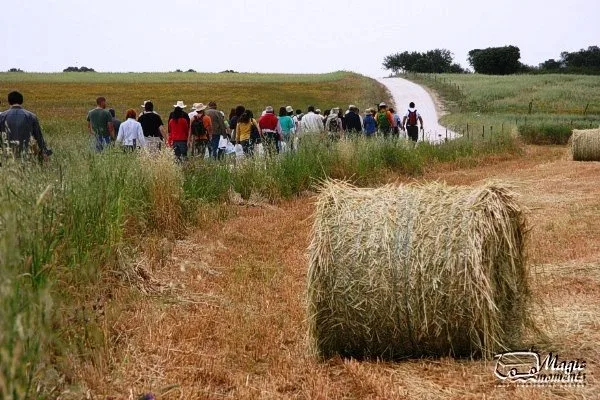
WHAT DID WE LEARN?
A great deal!!!
We have already started putting it into practice :)
Between gathering plants, which we can now identify and no longer go unnoticed, we have been making lots of little herbal teas, with the rules applied just so!
AND THE NETTLES??
Who would have thought that these great garden "pests" could actually do a lot of good, both for our health and for plants and the vegetable garden.
In organic farming, NETTLE LIQUID MANURE is widely used to treat other plants, helping them to fight pests, strengthening them and protecting them against invasion by parasites.
Ingredients:
500 g of fresh nettle or 100 g of dried nettle and 10 litres of water.
Preparation: Put 500 grams of fresh nettle or 100 grams of dried nettle in 10 litres of water and leave for a few days:
- if 2 days – it can be applied directly onto the affected plants and works as an organic pesticide;
- if left to macerate for 15 days, it works as a fertiliser/stimulant. This concentrated solution should be diluted in more water, at one part concentrated solution to 10 parts water (10% concentrate).
Note: after fermentation, strain it well, as leftover bits of leaf keep the fermentation going. As you are preparing a small amount, try to use it all straight after making it. Do not apply it neat; above 20% dilution it has adverse effects.
WHAT DID WE DO?
Well, as I had not yet researched all the information on Nettle Liquid Manure very thoroughly, and given that our time at my grandfather's garden came down to 3 days, what did we do?
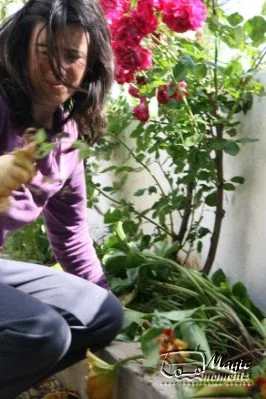
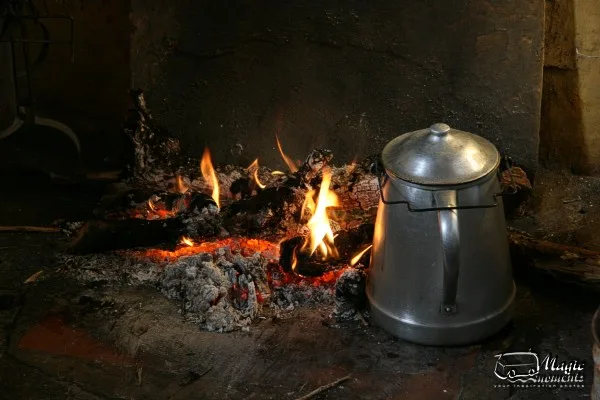
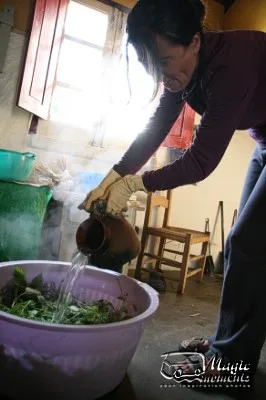
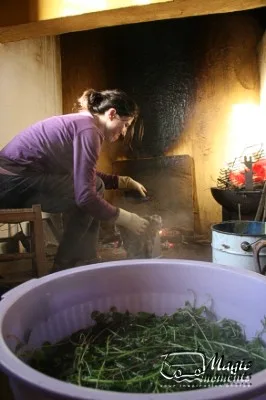
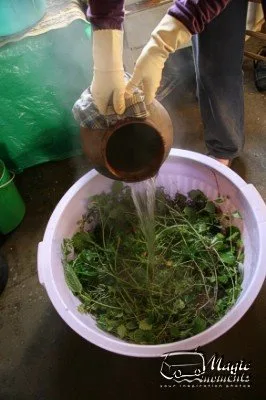
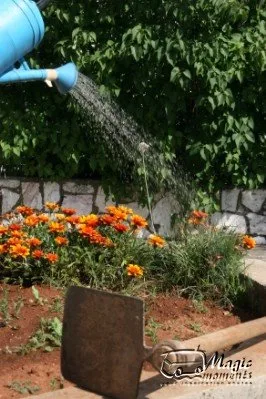
We picked a whole lot of the nettles growing in the garden and put them in a large basin. The proportions were probably not right, as we had quite a lot of nettles for the amount of water. Meanwhile, we heated clay pots of water over my godmother's floor-level fire and made a "nettle tea". The next day, once the tea had cooled, we watered the flowers we had planted and pruned last time, to strengthen and protect them.
THE RESULT?
We shall see the next time we go back to the Alentejo :)
The ratio of nettles to water was probably not right, and we sped up the process by making a tea instead of leaving them to macerate for 15 days!!!
Perhaps it is the thought that counts :)