Where food comes from — Part I: seaweed
These days we are taken aback when children say that milk comes from a carton, or that vegetables come from the supermarket!
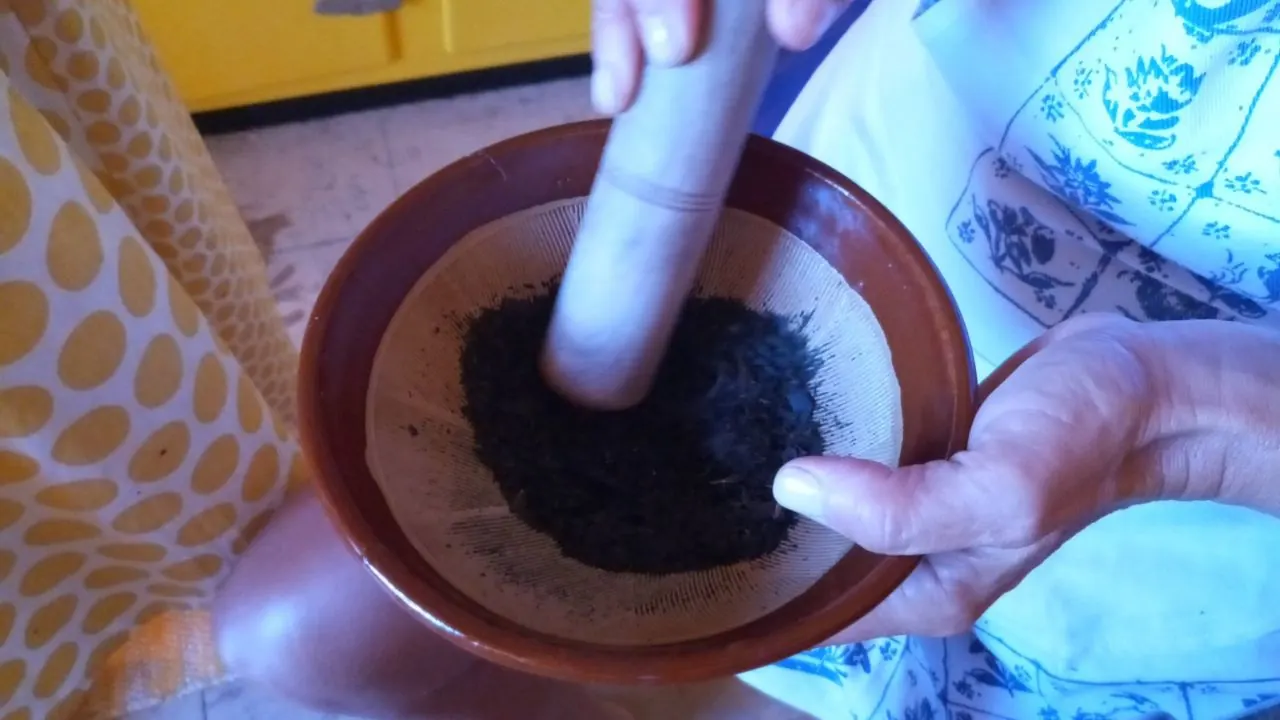
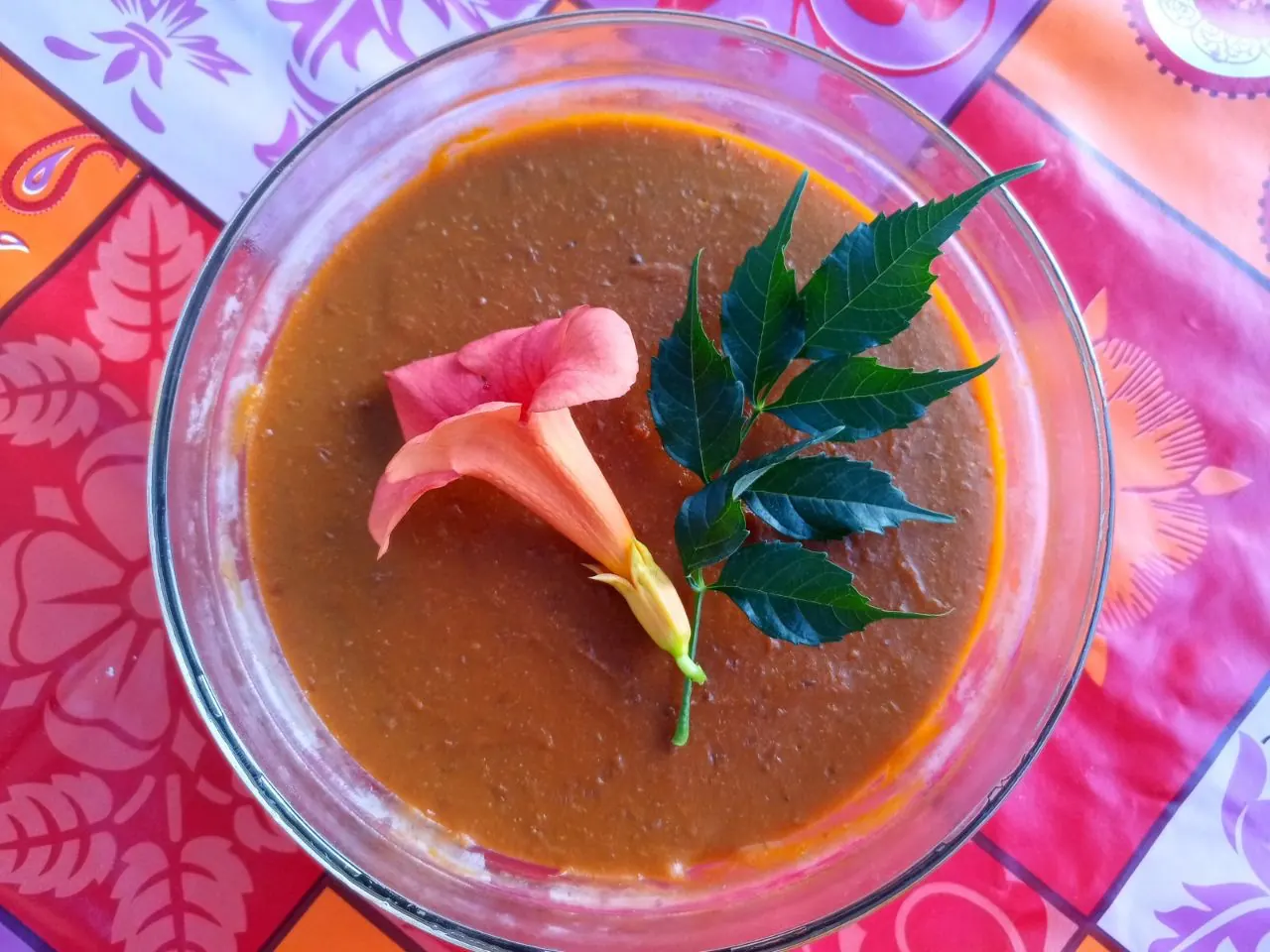
These days we are taken aback when children say that milk comes from a carton, or that vegetables come from the supermarket! Nobody knows where food really comes from any more, and we never stop to think how it was born, how it grew, how it was made and how it ended up waiting for us on a shelf.
We talk about children, but we adults sometimes have never seen an aubergine plant, or beetroot leaves, or how peanuts grow, or what lettuce or leek seeds look like.
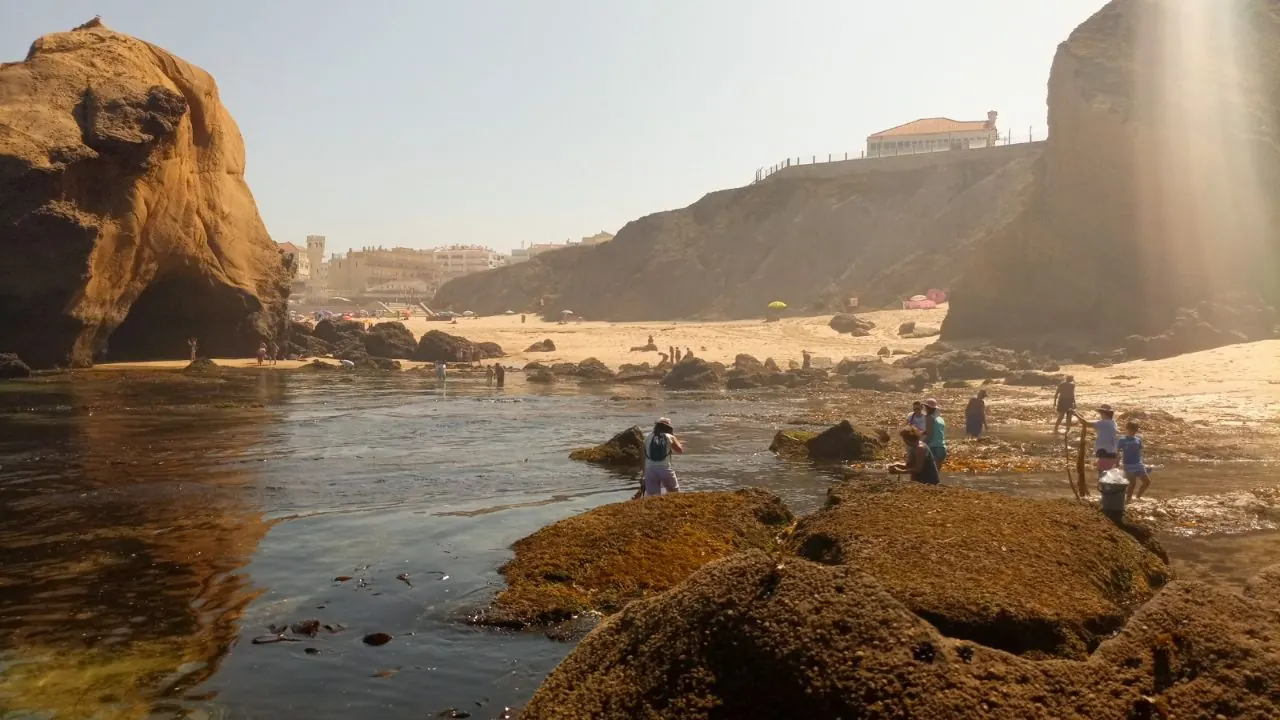
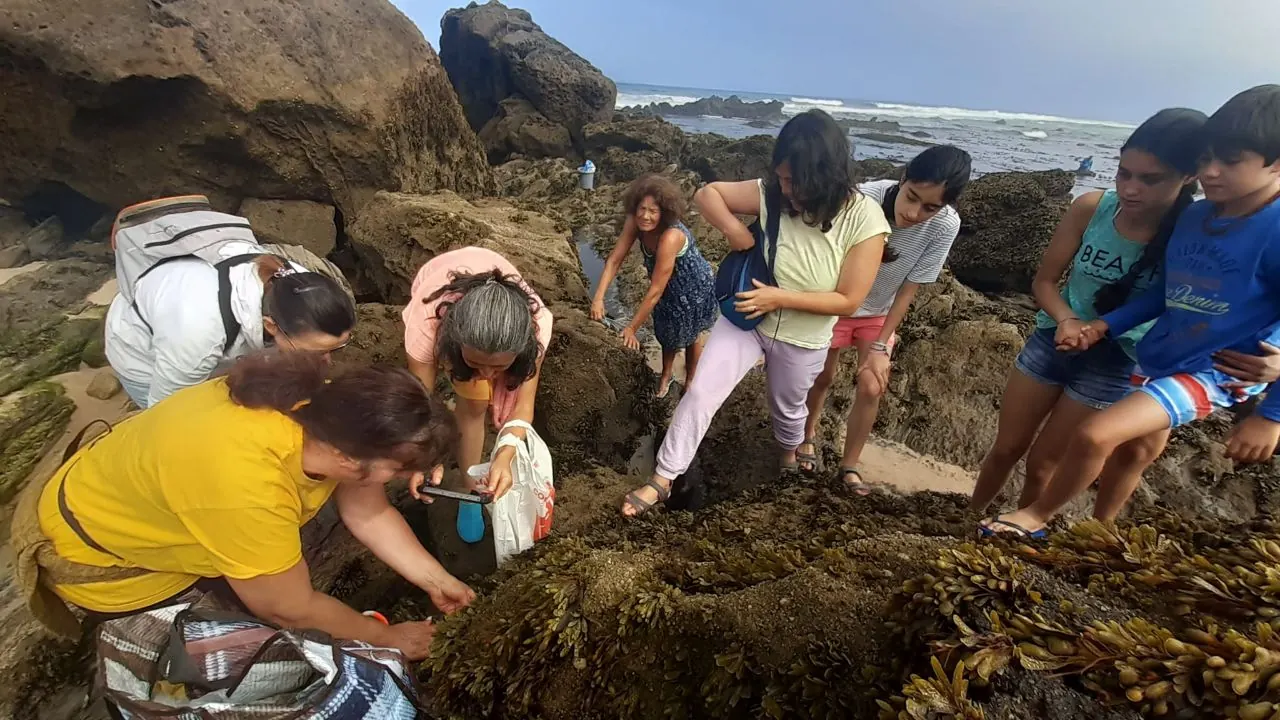
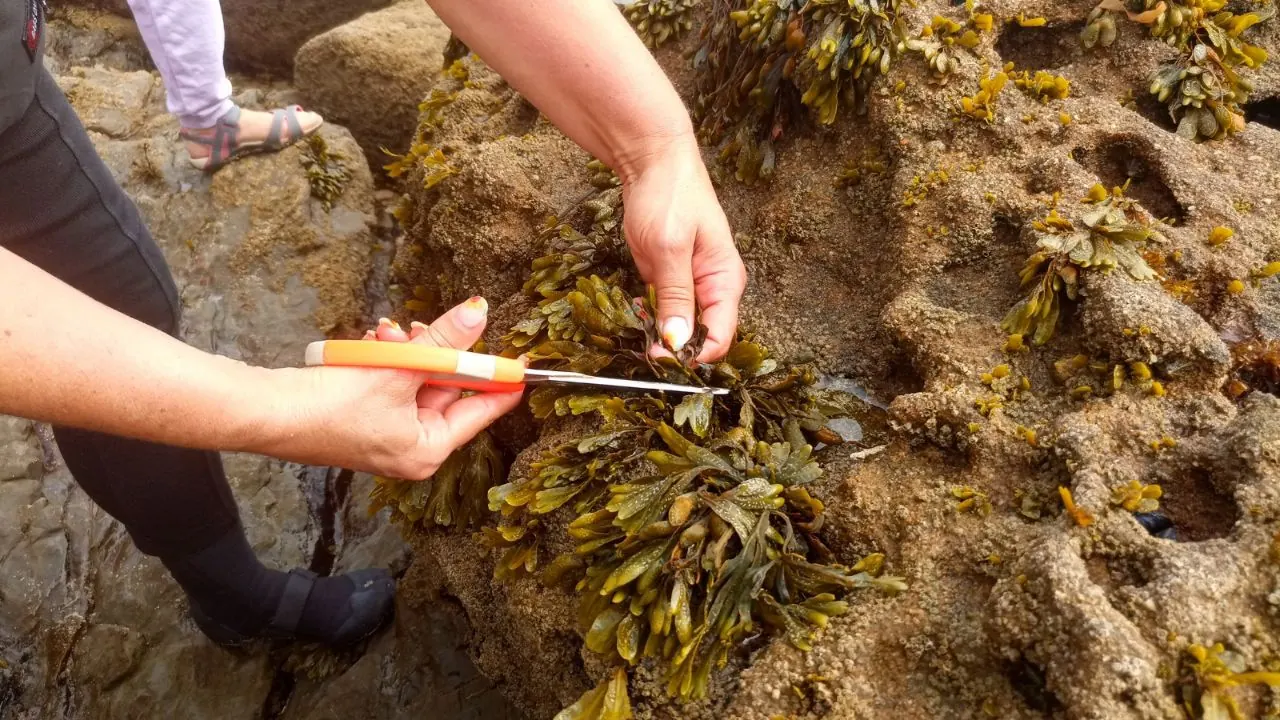
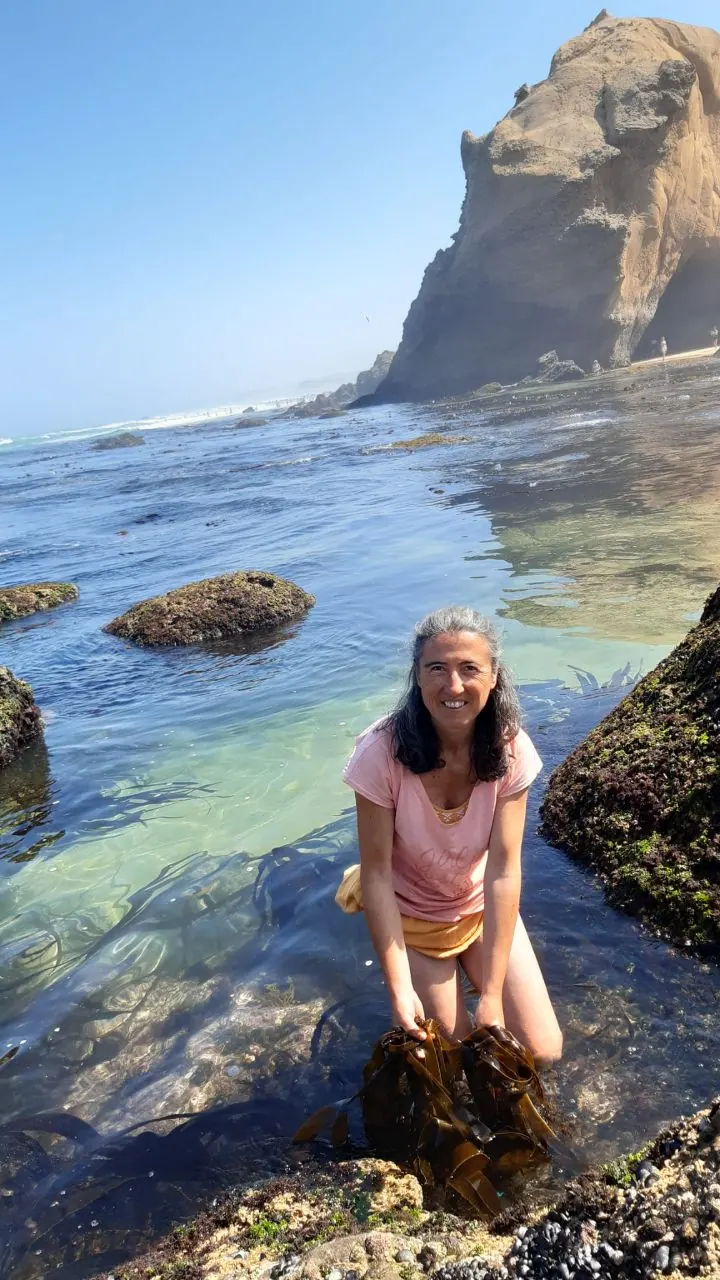
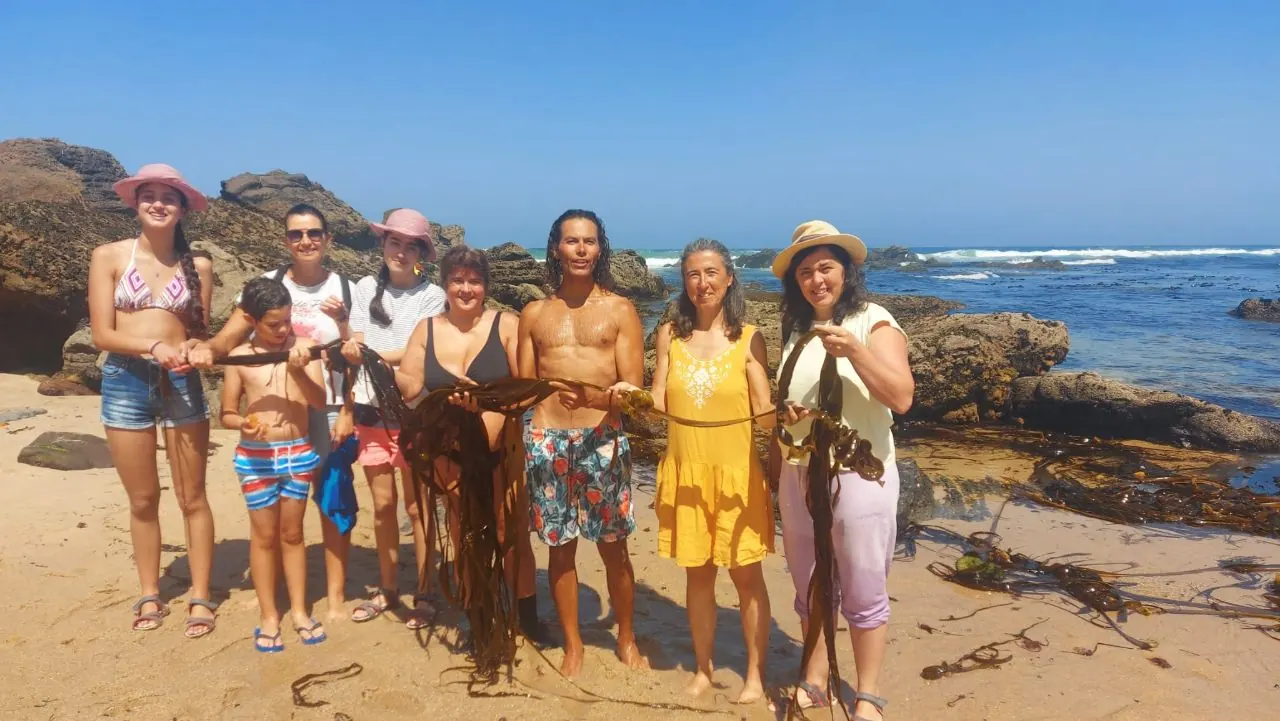
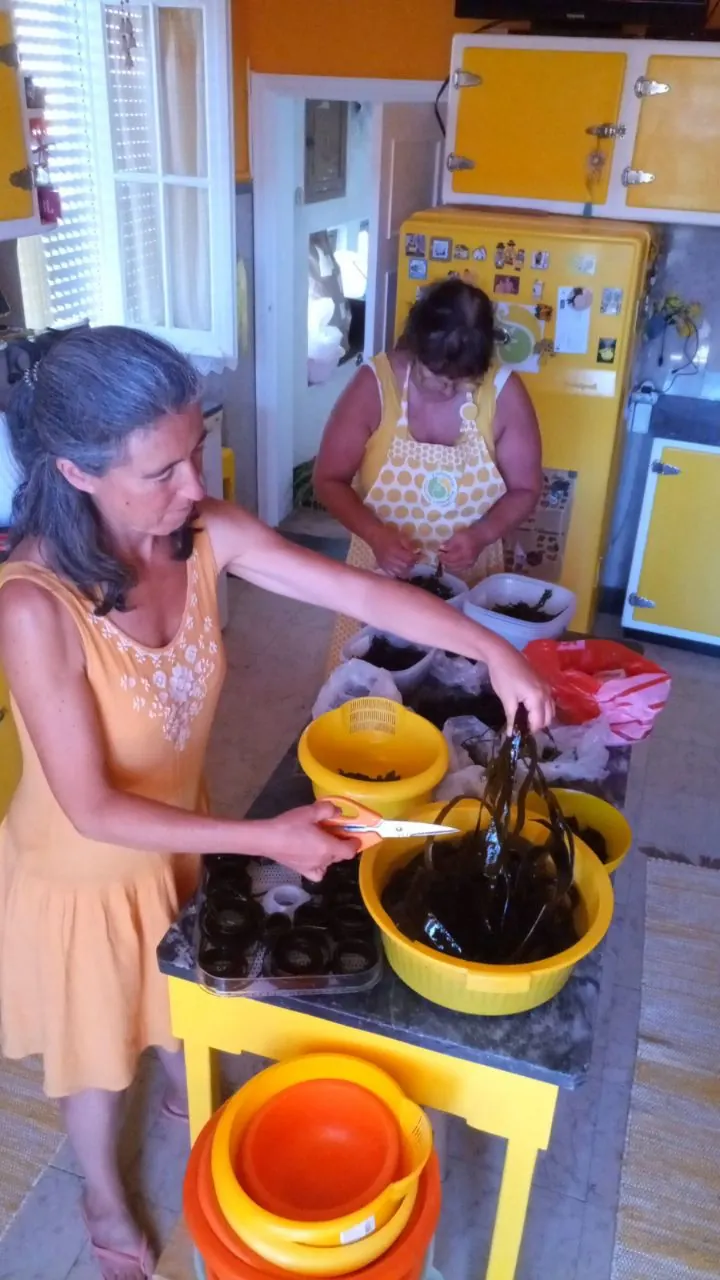
It was that urge to know a little more about where food comes from that led us to sign up for a workshop on gathering, treating and preparing seaweed!
The relationship we have with food, and the energy it gives us, grows with how much we know about its story, where it comes from and how it was produced. And it grows enormously if we take part in that process ourselves.
And so it was!
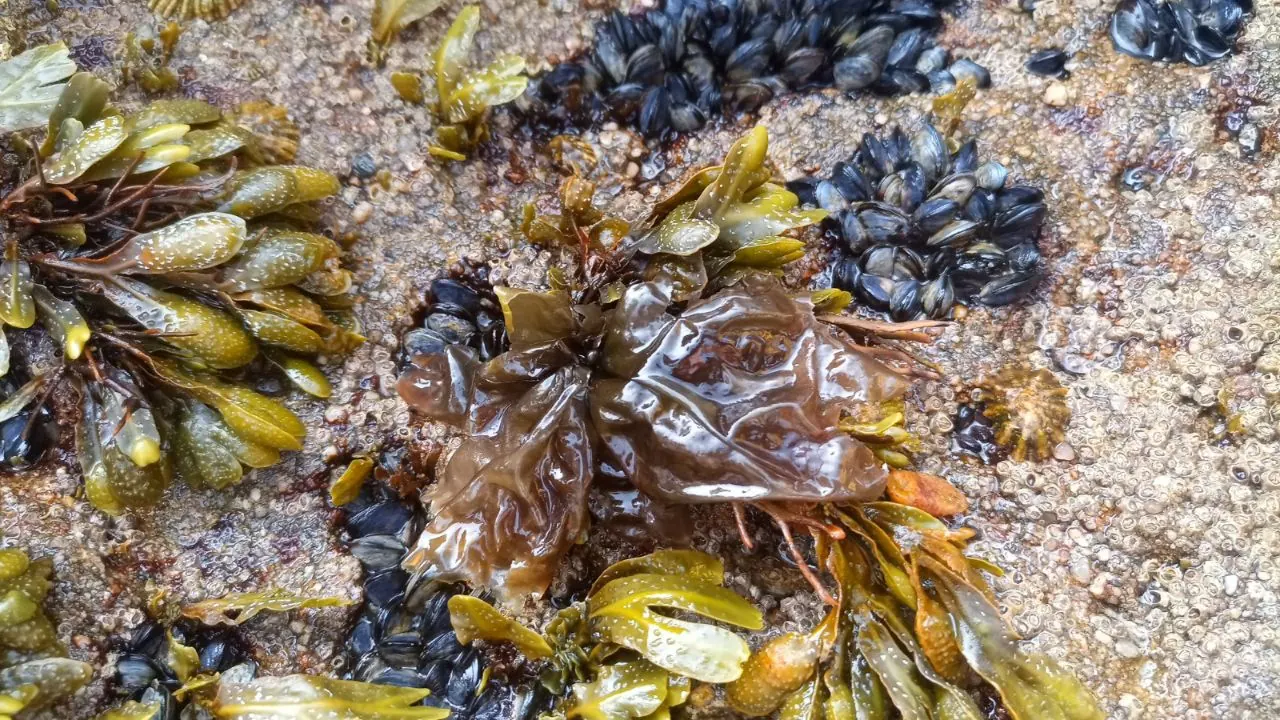
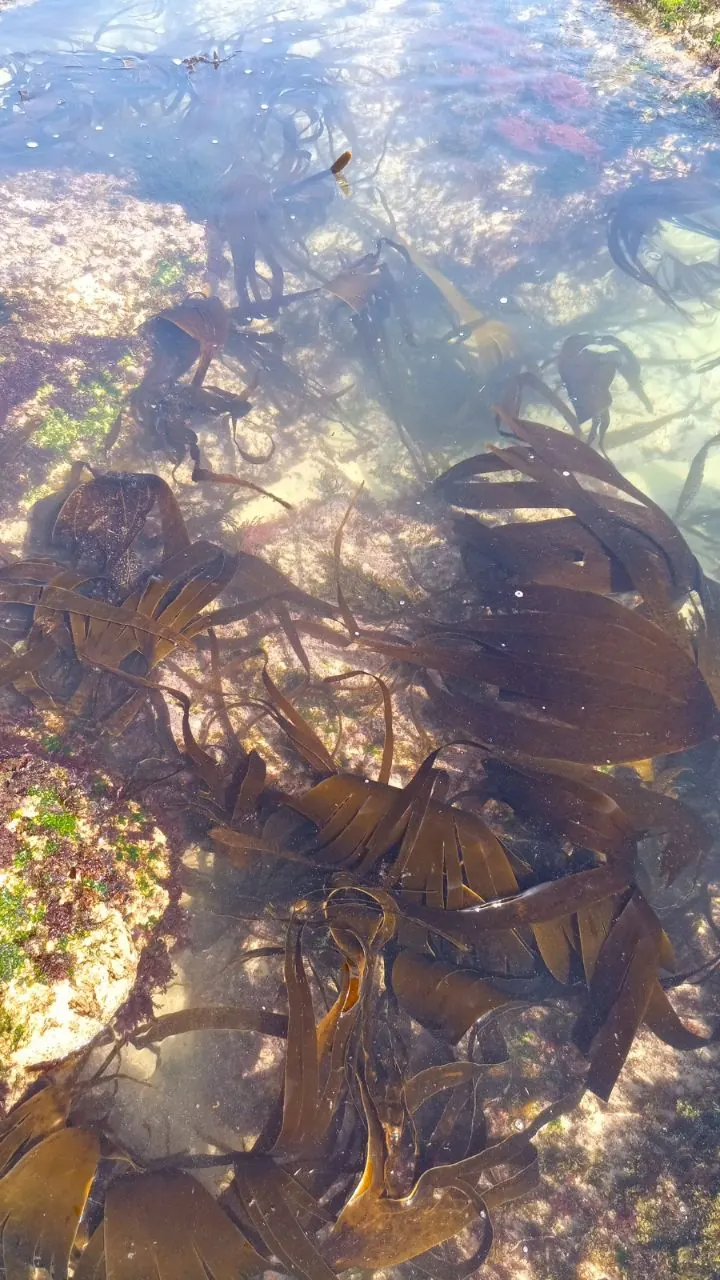
Seaweed had always been a «strange» food in our minds: something that came from the East, slimy, not very appetising. But after a weekend in direct contact with it on Santa Cruz beach, that changed completely.
When we go to a beach now, we look at the seaweed differently. We try to identify it within the vast world of these sea vegetables, to see how it grows, how the kinds differ, how best to gather it and which tide is best for doing so — all of it matters.
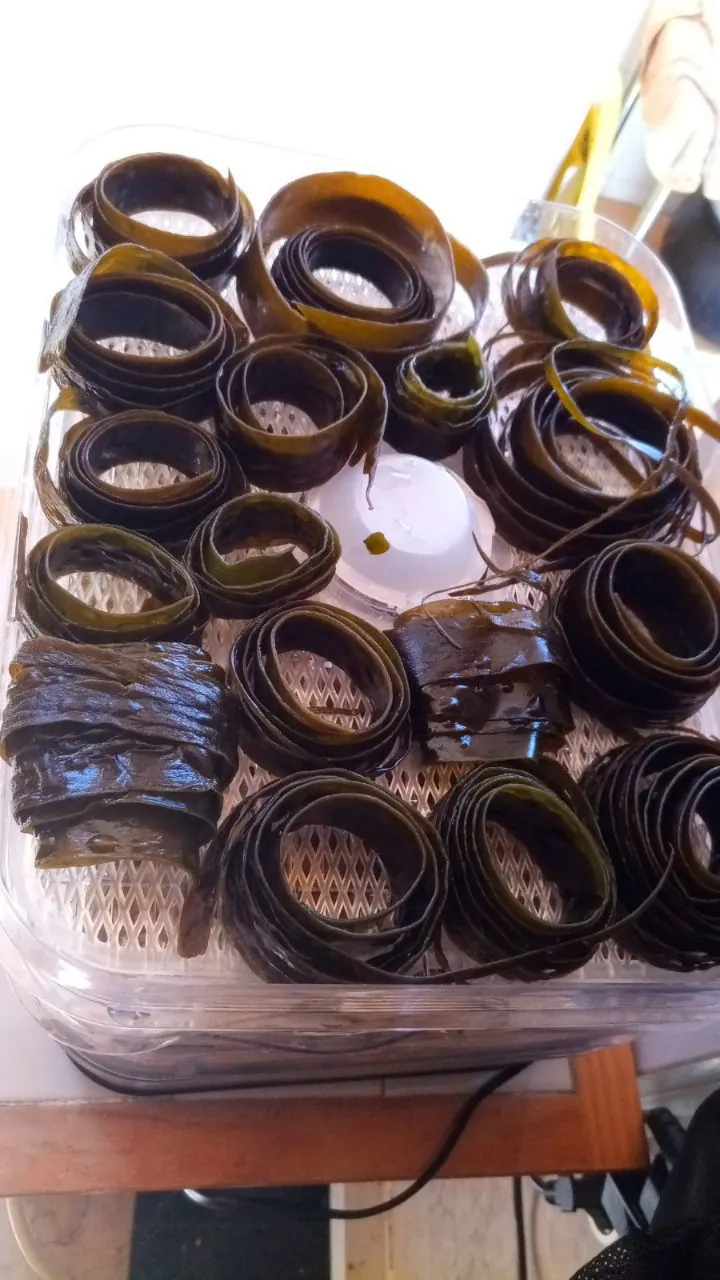
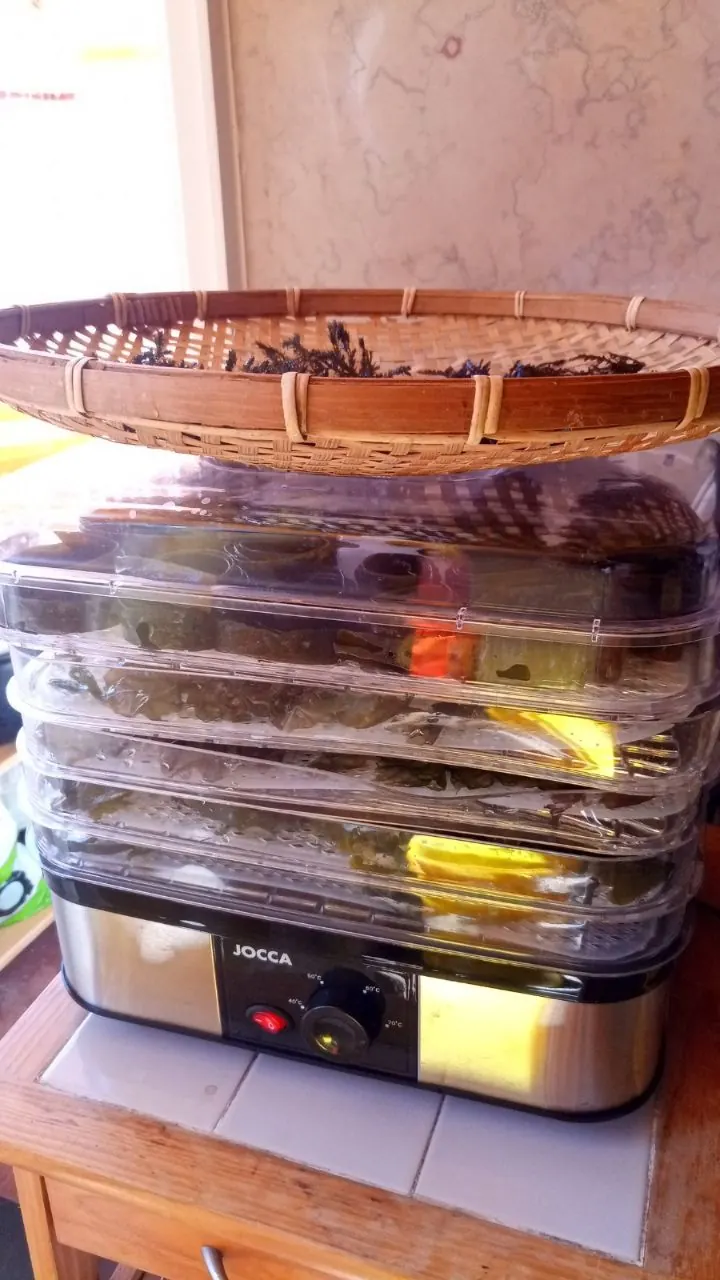
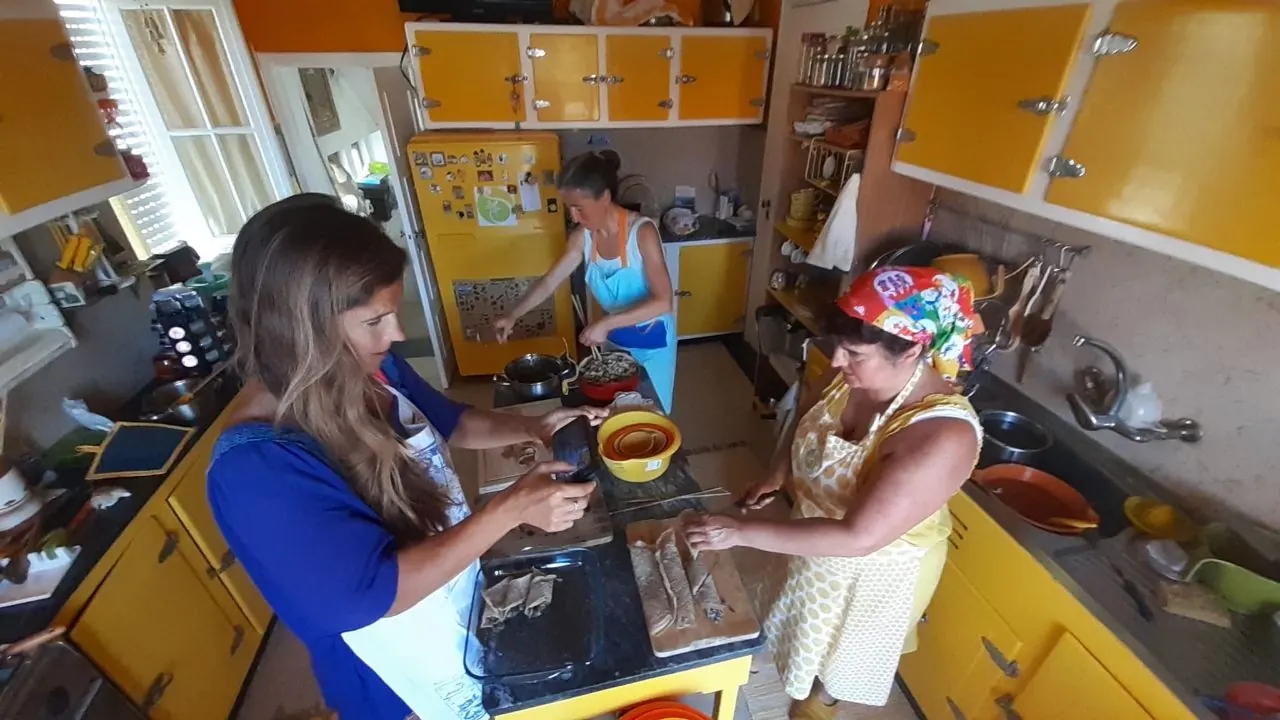
Then, back home, it has to be prepared or preserved!
It is a world we have only begun to discover, but our relationship with this food is certainly not what it was!
And you — have you ever seen where your favourite food comes from? ;-)
The «Seaweed Gatherers» group, with Palucha
https://www.facebook.com/culinariavitalizanteeducativa
https://www.culinariavitalizanteeducativa.com/
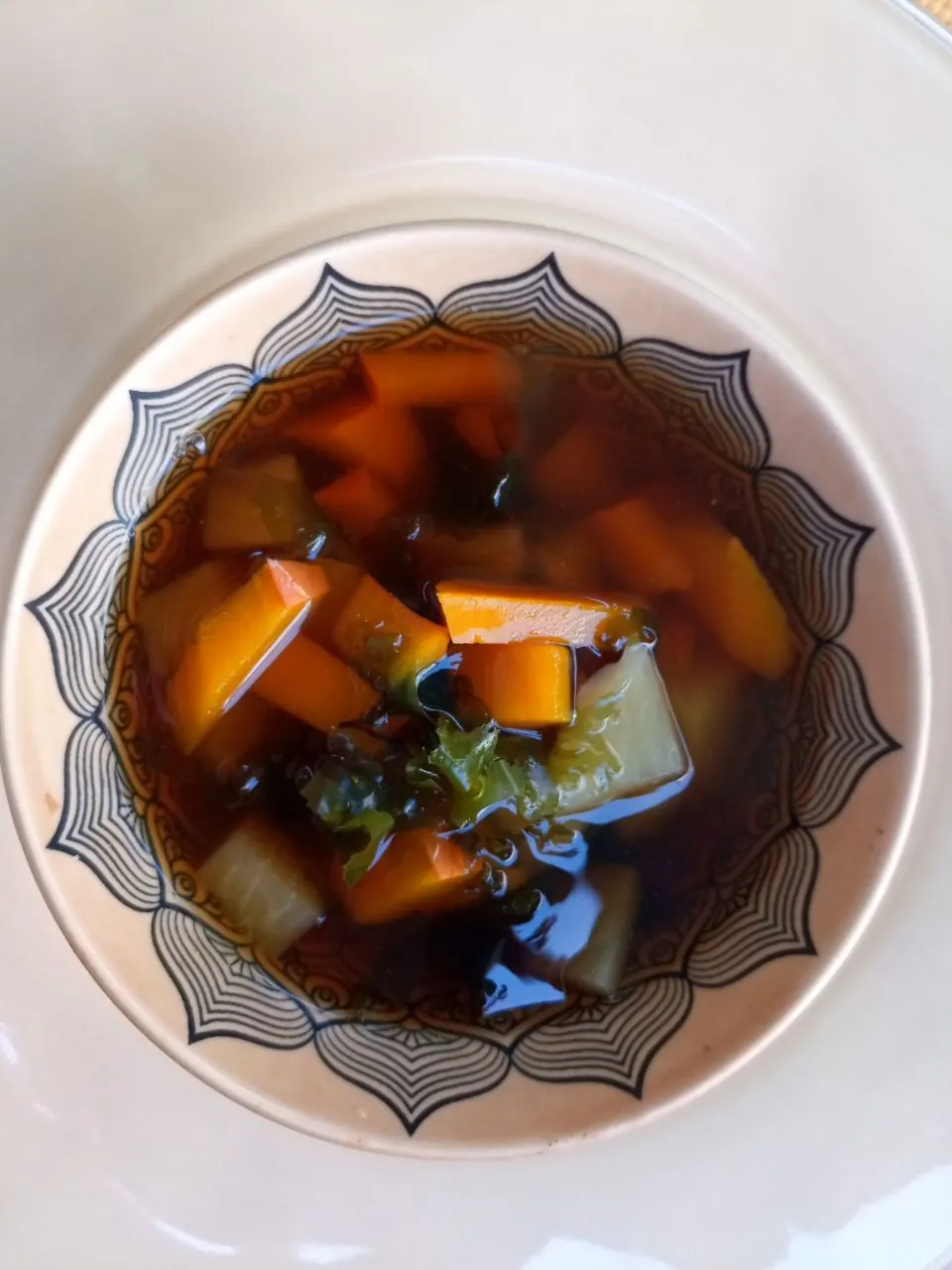
Hokkaido pumpkin soup with turnip and sea lettuce.
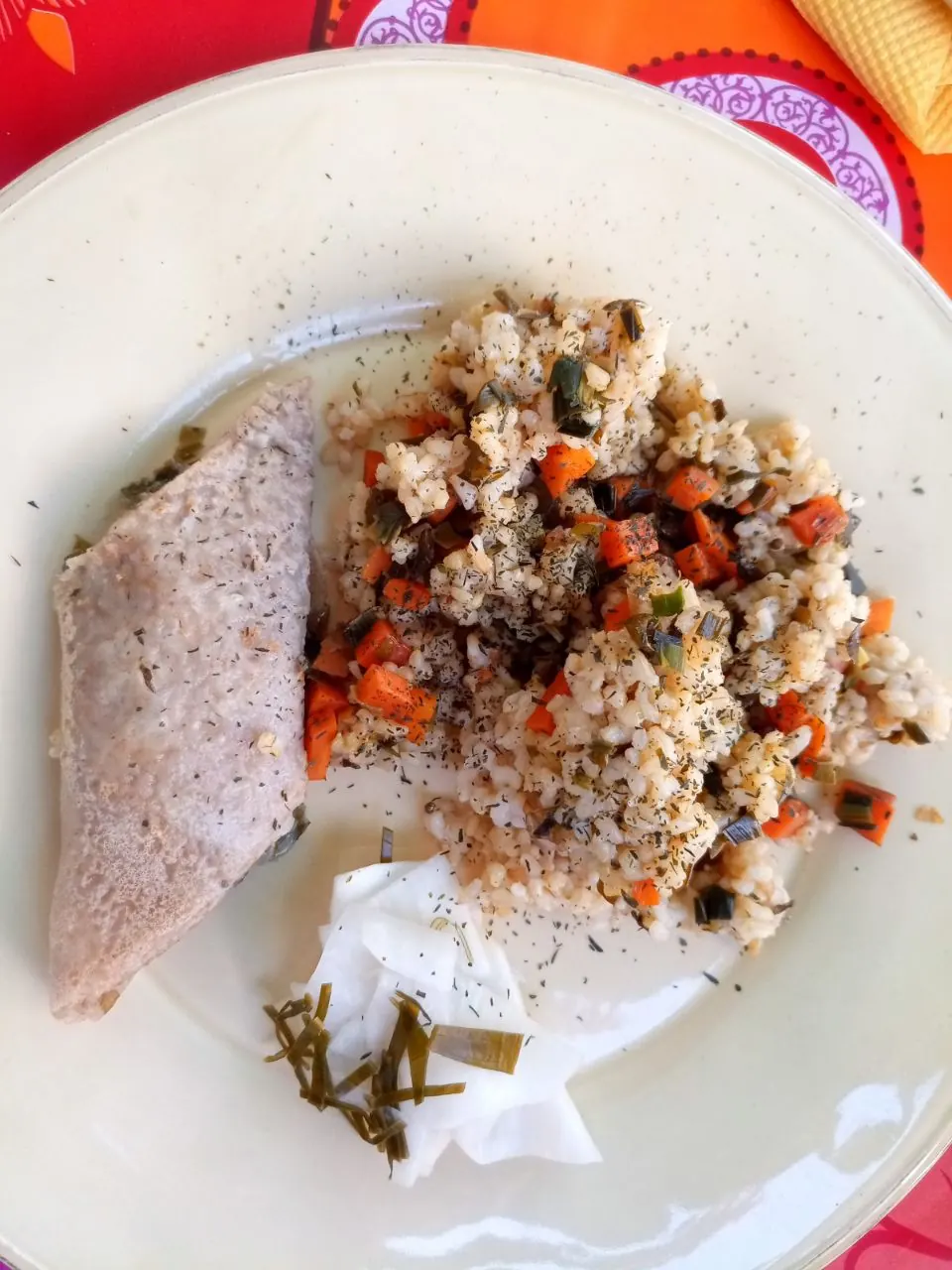
Risotto and carrot with bladderwrack, onion pancakes with nori.